
Auditorium AV Systems: Key Components and Design Considerations
AV System Integration: All You Need to Know
Stepping onto a stage to deliver a keynote speech, host a panel, or put on a theatrical performance requires one critical element for success: flawless technology. Without a reliable auditorium AV system, even the most captivating presentation will fall flat. Poor acoustics, visual glitches, and microphone feedback can quickly distract an audience and ruin an event. Designing an audiovisual setup for a large venue involves much more than hanging a few speakers and plugging in a projector. It demands careful planning, an understanding of the room’s physical layout, and high-quality equipment tailored to the space. As you read below, we’ll break down everything you need to know about outfitting a large venue. You will learn the core components required for success, key design considerations, and best practices to ensure your next auditorium AV system integration goes smoothly. If you need assistance, contact an expert like Spectrum Audio Visual today.
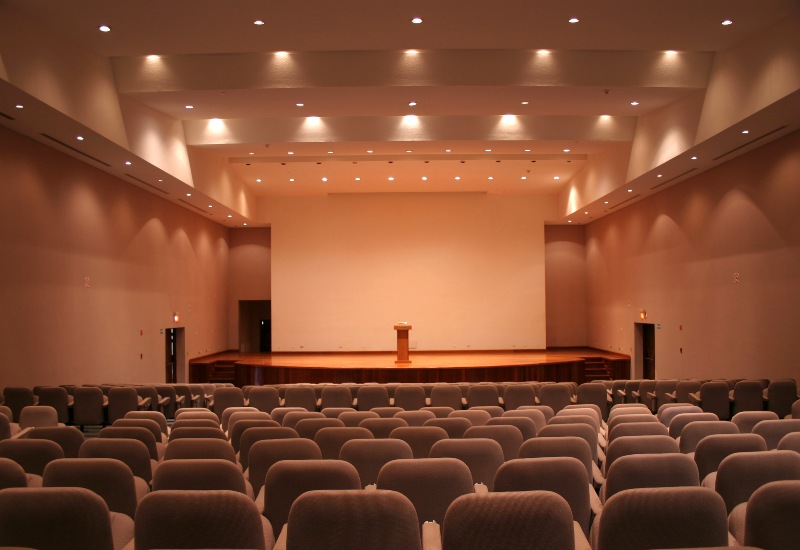
Understanding Auditorium AV Systems and Their Purpose
An auditorium AV system serves as the technical backbone of any large-scale presentation space. These systems ensure that every person in the room can clearly hear the speaker and easily see the visual content, regardless of where they are seated. Because auditoriums host a wide variety of events, the technology must be incredibly versatile. A well-planned setup seamlessly integrates audio, video, and lighting controls into a single unified interface, enabling presenters and technicians to run events with confidence and precision.
Core Auditorium AV System Components
Building a robust setup requires selecting the right AV equipment for auditoriums. The specific gear will vary based on your venue’s size and use cases, but most auditorium AV system components fall into a few primary categories.
Audio Equipment
Clear sound is non-negotiable. Essential audio gear includes wired and wireless microphones, audio mixers to balance sound levels, digital signal processors (DSPs), and strategically placed amplifiers and speakers (such as line arrays) that provide even sound coverage across the entire seating area.
Visual Displays
Large venues require bright, high-resolution visual displays. Common solutions include high-lumen laser projectors paired with large motorized screens or direct-view LED video walls. LED walls are becoming increasingly popular due to their vibrant colors and ability to combat ambient light.
Control Systems
A centralized control system ties the entire setup together. Touch panels at the podium or in the control booth let users easily switch video sources, adjust microphone volumes, and dim the lights without a degree in audio engineering.
Auditorium Acoustics and AV Design Considerations
One of the biggest challenges in outfitting a large room is managing the way sound behaves. Auditorium acoustics and AV design must go hand in hand to prevent echoes, dead zones, and speech unintelligibility. Hard surfaces like concrete walls, glass windows, and wooden floors reflect sound waves, creating reverberation. To combat this, AV designers often recommend installing acoustic treatments. Acoustic panels, bass traps, and heavy curtains absorb excess sound energy, ensuring the audio system delivers crisp, clear sound to every row.
Key Factors in Auditorium AV Design Planning
Effective auditorium AV design requires looking at the room holistically; before purchasing any equipment, facility managers and AV planners must evaluate several crucial factors:
- Sightlines: Every seat should have an unobstructed view of the main display, which often dictates the specific size and placement of screens or projectors.
- Lighting: Ambient light from windows can wash out projector screens, potentially requiring investments in automated blackout shades or higher-brightness LED displays.
- Infrastructure: The existing network and electrical systems must be assessed to ensure they can support the high power and data demands of modern AV technology.
AV Integration for Auditoriums
Success in an auditorium setup depends on more than just purchasing top-tier equipment. It requires a cohesive integration strategy to ensure all components communicate effortlessly. This phase focuses on the technical synergy of the environment through several critical steps:
- Technical Coordination: Routing cables neatly and programming control systems to ensure that audio and video signals sync perfectly.
- IT Collaboration: Coordinating with IT departments to secure network connections, which is essential for venues planning to live-stream events.
- Software Readiness: Configuring the infrastructure to support remote conferencing software and high-bandwidth data transmission.
Auditorium AV System Installation Best Practices
Executing an auditorium AV system installation requires technical expertise and precision. To guarantee a successful deployment, follow these best practices:
- Detailed Documentation: Keep thorough schematics and cable schedules. This makes troubleshooting much easier down the line.
- Safety First: Ensure all rigged equipment, like hanging speakers and projectors, complies with local safety codes and structural weight limits.
- Thorough Testing: Run comprehensive tests on all inputs, outputs, and microphones before the system is officially handed over to the end-users.
Choosing the Right AV Systems for Auditoriums
With countless brands and models on the market, selecting the best AV systems for auditoriums can feel overwhelming. Start by defining your primary use cases. A university lecture hall focused on spoken word and presentation slides will need a very different setup than a performing arts center hosting live bands. Work closely with an experienced AV consultant, such as Spectrum Audio Visual, who can recommend equipment that meets your technical requirements and fits your budget.
Ongoing Maintenance and Performance Optimization
Even the most advanced technology requires regular upkeep. Dust accumulation can cause projectors to overheat, and software updates are necessary to keep control systems running securely. Establish a preventative maintenance schedule to clean equipment, test cables, and recalibrate audio levels periodically. This proactive approach extends the lifespan of your investment and prevents unexpected failures during important events.
Frequently Asked Questions
To help you maintain your audiovisual system and troubleshoot common issues, we have compiled a list of the most pressing inquiries regarding system reliability and long-term care. Navigating the complexities of high-end hardware can be challenging, so the following sections cover everything from technical specifications to best practices for routine maintenance.
What Is the Most Important Component of an Auditorium AV System?
While all parts are necessary, the control system is often considered the most critical. It acts as the brain of the setup, allowing users to manage complex audio and video routing through a simple interface.
How Do I Fix Bad Acoustics in My Auditorium?
Addressing poor acoustics usually requires installing sound-absorbing materials, such as acoustic panels or baffles, on walls and ceilings. A professional AV team can perform an acoustic analysis to determine exactly where these treatments should be placed.
Can I Upgrade My Auditorium AV Equipment in Phases?
Yes. Many organizations choose to upgrade their visual displays first, followed by audio components, or vice versa. The key is to select a flexible control system that can easily accommodate new technology as your budget allows.
Partner With Experts for Your Next AV Project
Creating an engaging and immersive environment in a large venue requires a careful balance of premium technology, acoustic engineering, and expert installation. By understanding the core components and planning your design strategically, you can build a space that captivates audiences for years to come. If you are ready to upgrade your venue’s technology, our team at Spectrum Audio Visual is here to help. As the premier choice for custom AV solutions in Denver, CO, we have the experience and technical knowledge to bring your vision to life. Contact us today to schedule a consultation and take the first step toward a flawless audiovisual experience.
Understanding the Truths About AV System Integration
Technology should make running a business easier. Yet, many organizations struggle with…

AV solutions have become integral parts of the modern workplace. From smooth video calls to crisp audio in every corner of the room, these systems…