
Projector Screen Sizes Do Matter!
Learn How to Choose the Right Projector Screen Size
Setting up a new visual display system can be an exciting process. You might spend hours researching the best projectors with the highest resolution and brightest lumens. However, many people overlook one of the most critical components of the entire setup: the projector screen size. A screen that is too small will force your audience to squint, causing eye strain and reducing the overall impact of your presentation or movie. On the other hand, a screen that is too large can overwhelm the room and make it difficult for viewers to take in the entire image at once. Finding the right balance ensures a comfortable viewing experience for everyone in the room. If you want to get the most out of your investment, understanding how to choose a projector screen size is essential. As you read below, we’ll walk you through the key factors to consider, common mistakes to avoid, and how to find the perfect fit for your specific needs. If you need assistance, contact a professional like Spectrum Audio Visual today.
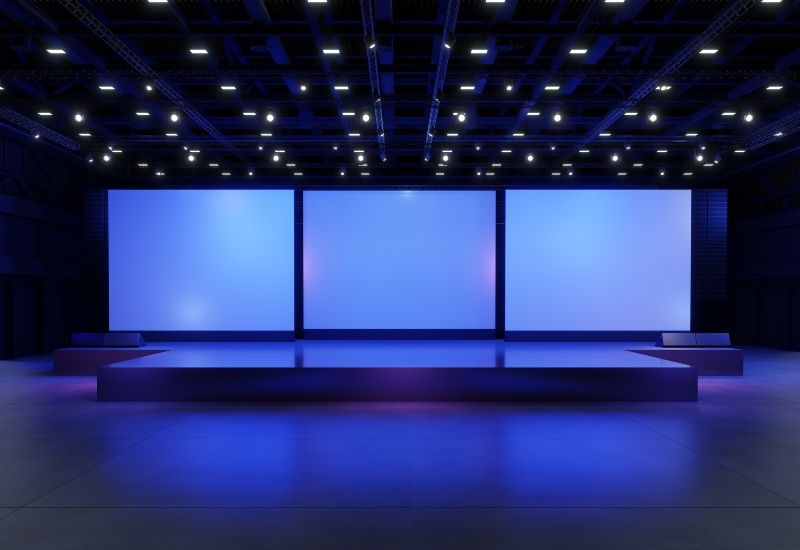
Why Projector Screen Size Is So Important
The size of the projector screen you choose directly impacts the viewing experience. A properly sized screen maximizes the visual quality of your projector, ensuring that details remain sharp and text remains legible. Selecting the ideal projector screen size also optimizes the image’s brightness and contrast. Projectors emit a specific amount of light. If you spread that light over a screen that is too massive, the image will appear washed out and dim. If you cram a high-lumen output onto a tiny screen, the image might be uncomfortably bright.
Understanding Different Projector Screen Sizes
Projector screens come in a wide variety of dimensions and aspect ratios. The aspect ratio is the proportional relationship between a screen’s width and height. Consider the following size options for your setup:
- 16:9 (Widescreen): This is the standard format for modern television, high-definition video, and most corporate presentations. It is the most common choice for home theaters and conference rooms.
- 16:10: Frequently used in corporate and educational settings, this ratio matches many standard computer monitors.
- 4:3 (Standard): While largely phased out by widescreen formats, this older ratio is still used for specific legacy presentations and specialized applications.
- 2.35:1 (Cinemascope): This ultra-wide format is preferred by dedicated home theater enthusiasts for watching feature films as the director intended, without black bars on the top and bottom.
Key Factors That Determine the Size of a Projector Screen
When evaluating screen size for projectors, several distinct variables come into play. You need to examine the physical environment where the display will be installed. Here are some thoughts to consider:
- Room Dimensions: Your ceiling height often limits the maximum size of your screen. You must leave enough clearance at the bottom so that furniture or audience members do not block the view.
- Throw Distance: The distance between the projector lens and the screen. Short-throw projectors can create large images from just a few feet away, while standard models need much more room to achieve different projector screen sizes.
- Viewing Distance: The distance between the screen and the seating area dictates how large the screen should be. If people sit too close to a massive screen, they will notice individual pixels and experience motion sickness.
How to Determine the Right Screen Size for Your Space
Determining the size of a projector screen is a simple mathematical process. A widely accepted industry rule is that the screen’s height should be roughly one-sixth of the distance from the screen to the furthest seat in the room. For example, if the furthest viewer is sitting 24 feet away, your screen height should be approximately 4 feet. Once you establish the height, you can use your desired aspect ratio to calculate the necessary width. This ensures that even the people in the back row can comfortably read text and see fine details.
How to Choose a Projector Screen Size for Different Uses
The size of the projector screen you need depends heavily on what you intend to display. These different spaces benefit from specific sizes and ratios:
- Home Theaters: For movies and gaming, a larger, more immersive screen is generally preferred. You want the screen to fill a significant portion of the viewer’s field of vision.
- Corporate Boardrooms: For data-heavy presentations and spreadsheets, clarity is more important than sheer size. The screen must be large enough for the furthest person to read small numbers, but not so large that it awkwardly dominates the space.
- Houses of Worship and Auditoriums: These massive spaces require very large screens, often paired with bright projectors, to ensure visibility for hundreds of people.
Common Mistakes When Selecting the Right Option
When choosing a screen, many buyers fall into common traps that can significantly diminish the quality of their viewing experience. Be sure to avoid these mistakes so you have the best setup:
- Oversizing the Screen: Simply purchasing the largest affordable screen often results in image degradation and forced, uncomfortable viewing angles for those seated too close.
- Ignoring Native Resolution: Projecting a low-resolution image onto an excessively large surface results in a blurry, pixelated display that lacks essential detail.
- Neglecting Ambient Light: In bright environments, a smaller screen is often superior because it concentrates the projector’s light, resulting in a much clearer, more visible image than a larger, washed-out alternative.
Selecting the Ideal Size With Professional Help
Figuring out how to select projector screen size can quickly become complicated when you factor in lighting, room acoustics, seating arrangements, and projector specifications. Consulting with audiovisual professionals like Spectrum Audio Visual takes the guesswork out of the process. Experts can perform precise calculations to recommend the exact dimensions that will yield the best possible results for your specific environment.
Upgrade Your Visual Experience Today
Getting your display system right requires careful planning and expertise. At Spectrum Audio Visual in Denver, CO, we have the experience to help you navigate all the technical details. We will assess your space, discuss your goals, and help you find the absolute perfect fit for your needs. Contact our team today to schedule a consultation and bring your visual displays to life.
Frequently Asked Questions
Navigating the complexities of modern display technology can be overwhelming, especially when balancing image quality with physical space constraints. To help you make the best decision for your commercial or residential setup, we have compiled answers to the most common questions we receive.
What Is the Best Aspect Ratio For a Home Theater?
For most modern home theaters, a 16:9 aspect ratio is the standard, as it matches the format of most high-definition television and streaming content.
Can A Projector Screen Be Too Big?
Yes. If a screen is too large for the room, viewers will have to tilt their heads to see the entire image, which can cause fatigue. It also spreads the projector’s light too thin, reducing image brightness.
How High Off the Floor Should the Screen Be?
In a standard room, the bottom of the screen should generally be between thirty and forty-eight inches from the floor to ensure viewers have a clear line of sight over any furniture.
In today’s fast-paced digital world, connecting with audiences—no matter their location—is essential for businesses and organizations.…